As we navigate the complexities of the modern world, the interplay between effective leadership and personal wellbeing has never been more crucial. Reflecting on the past century allows us to appreciate how leadership styles and practices, as well as approaches to wellbeing, have evolved over time. Let's delve into a comparison of leadership and wellbeing practices from a hundred years ago to today.
Leadership 100 years ago
Leadership: Then
A hundred years ago, leadership was often characterised by hierarchical structures, authoritative decision-making and a focus on command and control. In the aftermath of World War I, military leadership was prominent, with an emphasis on discipline, duty and strategic planning. Political leadership was shaped by post-war reconstruction efforts, industrial leadership drove economic growth and social leadership was fuelled by movements for equality and reform.
Leadership traits such as decisiveness, resilience, and charisma were valued and leaders were often seen as figures of authority to be followed and obeyed. The concept of leadership development and emotional intelligence was in its infancy, with leadership often viewed as an innate quality rather than a skill to be cultivated.
Wellbeing: Then
A hundred years ago, wellbeing practices were often intertwined with leisure activities and natural remedies. Health resorts, sanatoriums and spas offered treatments for physical ailments and stress relief, incorporating elements such as hydrotherapy, fresh air and outdoor activities. Mental health awareness was limited and there was a stigma surrounding issues such as depression and anxiety.
The pursuit of wellbeing was often seen as a luxury reserved for the affluent, with limited access to resources and information for the broader population. However, there was growing recognition of the importance of physical health, particularly in the context of industrialisation and urbanisation.
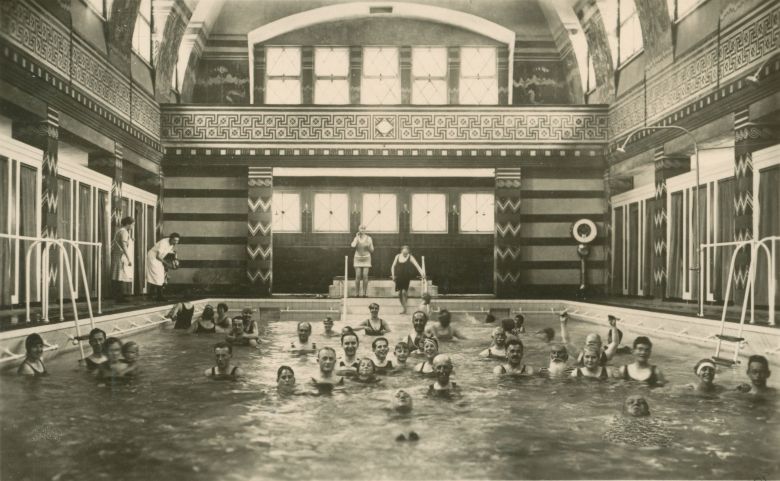
Spa treatment in the Alps - Thermal swimming pool at Bad Ragaz
Leadership in the 21st Century
Leadership: Now
In the present day, leadership has undergone a profound transformation, moving towards more collaborative, inclusive and empathetic approaches. Hierarchical structures are giving way to flatter organisational models, with an emphasis on teamwork, communication and shared decision-making. Servant leadership, which prioritises the needs of others and fosters a sense of community, has gained traction.
Leadership development programs focus not only on technical skills but also on emotional intelligence, self-awareness and empathy. Authenticity, transparency and adaptability are valued traits in leaders, who are expected to inspire trust and motivate others through purpose-driven leadership.
Wellbeing: Now
Today, wellbeing is recognised as a multifaceted concept encompassing physical, mental and emotional health. There is a growing awareness of the importance of mental health, with initiatives to reduce stigma and increase access to support services. Workplace wellbeing programs offer resources for stress management, mindfulness and work-life balance, recognising the impact of a healthy workforce on productivity and retention.
Wellbeing practices have become more accessible and diverse, with a wealth of information and resources available online. Mindfulness meditation, yoga and holistic therapies have gained popularity, reflecting a shift towards preventive and holistic approaches to health and wellness.
Nandini Jungle By Hanging Gardens
Join us to continue evolving
The comparison of leadership and wellbeing practices from a hundred years ago to today highlights the evolution of attitudes, values and priorities over time. While traditional leadership models emphasised authority and control, contemporary leadership is characterised by collaboration, empathy and authenticity. Similarly, wellbeing practices have evolved from a focus on physical health to a holistic approach encompassing mental and emotional wellbeing.
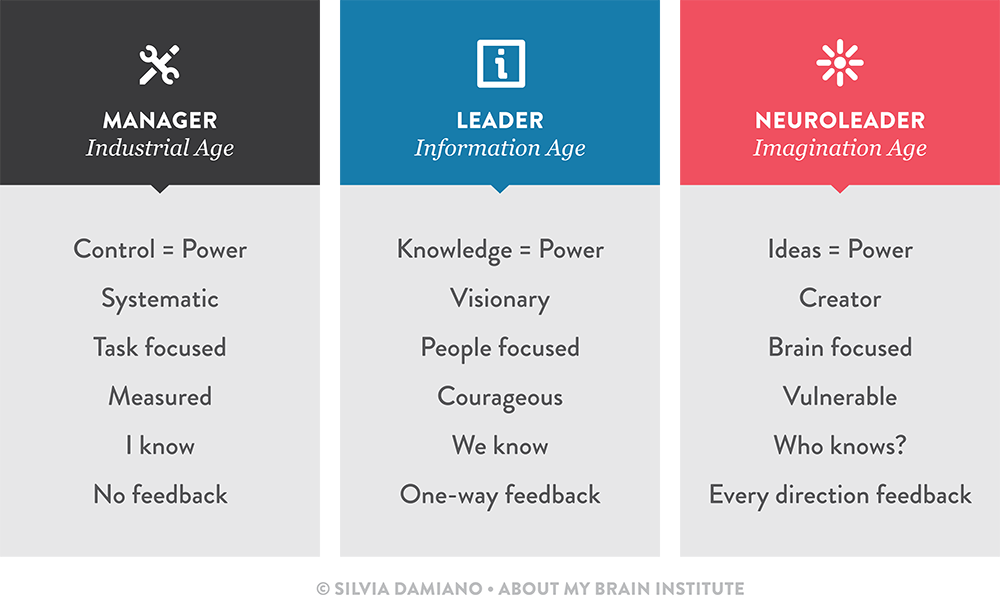
As we continue to navigate the challenges of the 21st century, integrating effective leadership with holistic wellbeing practices will be essential for creating healthy, resilient and thriving communities and organisations. By drawing insights from the past and embracing innovative approaches, we can cultivate cultures of leadership and wellbeing that empower individuals to reach their full potential and contribute to a better world. This is the foundational step of our upcoming i4 Neuroleader™ Methodology Certification in Bali.
We invite you to join us and paint the picture of the future together.
i4 Neuroleader™ Methodology Certification Retreat