How Great Leaders Ignite Minds and Motivate Action
Many assume that leadership is about authority, strategy or decision-making. But the latest neuroscience research tells us something different: true leadership is about impact, connection and inspiration. It’s deeply rooted in how the brain processes emotions, vision and challenge.
And yet, when we look at the world stage, we see countless people in leadership positions who are not actually leading.
They hold titles, but they lack the skills that create real influence and engagement. Worse still, many organisations fail to train their leaders in the very competencies they demand from employees.
Throughout my career, I’ve met incredible leaders who didn’t just focus on tasks and results; they focused on people.
The best leaders I know do things that demonstrate they care, whether it’s remembering a staff member’s name, creating opportunities for people to showcase their creativity and talents or challenging their teams to think critically when important decisions must be made. They don’t just assume they are leaders; they actively work on becoming one.
This brings me to one of the key pillars of the i4 Neuroleader™ Model: Inspiration.
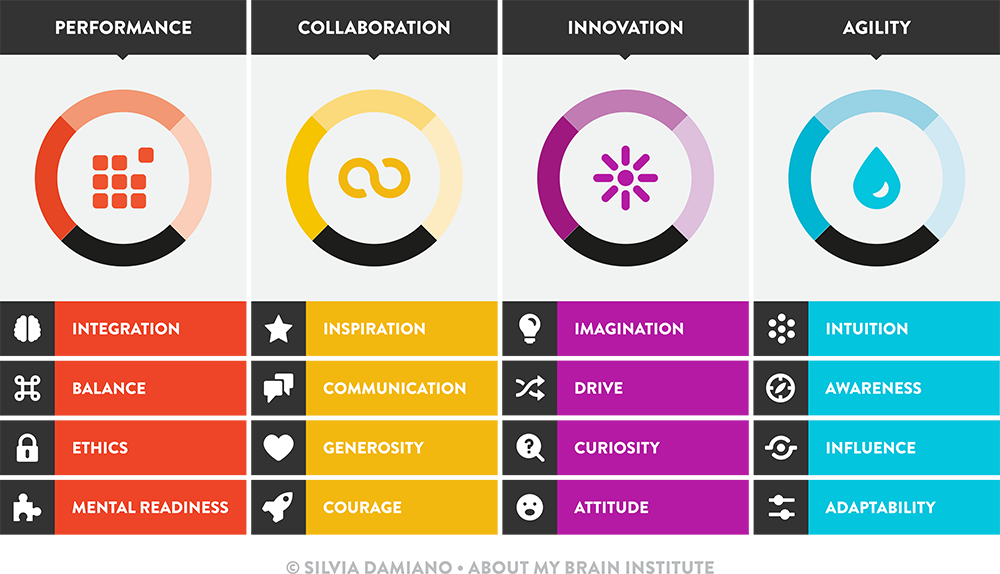
Because great leadership isn’t just about getting things done, it’s about how you make things happen. Emerging neuroscience helps explain why some leaders ignite passion and loyalty while others struggle to connect.
Let’s explore the latest research behind what makes leadership truly inspiring.
Authentic Leaders Show Emotional Variability, Not Just Stability
Traditional leadership models emphasise emotional control and consistency. However, neuroscience challenges this idea.
Research on mirror neurons suggests that when leaders express authentic emotional highs and lows, their teams experience greater empathy and connection.
The best leaders I’ve encountered are not afraid to show real emotions. I remember working with a leader who, after a tough project, took a moment to acknowledge the team’s exhaustion and shared his own struggles. That moment of honesty strengthened the team’s trust in him; it made him human.
Actionable Insight: Instead of suppressing emotions, leaders should learn to express a dynamic but appropriate range of emotions: enthusiasm when celebrating success, concern when addressing challenges and optimism when guiding a team through uncertainty.
Leadership Is Emotional Contagion in Action
A leader’s emotional state is contagious.
Neuroscience confirms that we subconsciously mimic and absorb the emotions of those around us, a phenomenon known as emotional contagion.
If a leader radiates stress, frustration or disengagement, it spreads like wildfire. But when a leader walks into a room with enthusiasm and confidence, the energy shifts. I’ve seen it firsthand, how a leader’s energy sets the entire tone for a meeting.
Actionable Insight: Before stepping into a meeting, ask yourself: What emotional tone am I setting? Being mindful of how your mood influences others can drastically improve team morale and engagement.
Visionary Communication Activates the Brain Differently
One of the most powerful leadership tools is storytelling.
Neuroscientific studies reveal that right frontal brain coherence is linked to visionary communication; when a leader paints a compelling picture of the future, the listener’s brain engages more deeply.
I once worked with a CEO who could transform mundane reports into compelling narratives about where the company was headed. He made people feel part of something bigger than their individual roles and that’s why his team was so invested.
Actionable Insight: Instead of just assigning tasks, tell a story. Explain why a project matters, how it connects to a larger vision and why each person’s contribution is essential.
Strategic Discomfort Drives Innovation
The brain craves comfort and familiarity, but growth happens in the unknown.
Neuroscience shows that introducing controlled discomfort, like setting stretch goals or challenging teams to think differently, stimulates neuroplasticity, allowing the brain to form new connections.
A government leader I once worked with actively encouraged employees to challenge his ideas in open discussions, pushing them to recognise and eliminate biases, ultimately leading to more informed and effective decision-making.
Actionable Insight: Instead of avoiding difficult conversations or playing it safe, encourage your team to step outside their comfort zones and reframe challenges as opportunities for growth.
Emotional Contrast Enhances Trust and Engagement
Inspiring leaders don’t just operate on one emotional frequency; they adapt their expressions based on the situation.
Neuroscience supports that emotional contrast makes leadership feel more human and authentic, strengthening trust.
Some leaders are able to handle a crisis with absolute calm, giving their team a sense of security. But when the challenge is resolved, they celebrated with visible joy. That contrast, the ability to be serious when needed and uplifting when possible makes them an inspiring presence.
Actionable Insight: Be attuned to the situation. Show excitement when celebrating a milestone, but remain composed in moments of uncertainty. This contrast builds credibility and trust.
The Difference Between Holding a Title and Truly Leading
Many people believe they are leading simply because they hold a title. But true leadership is not about authority; it’s about impact. It’s about understanding how your decisions shape culture, motivation and engagement within your organisation.
If a leader focuses only on strategy, goals and results without considering the emotional and psychological dynamics of leadership, they are managing, not leading.
Real leadership requires balancing:
- Task with people
- Strategy with empathy
- Confidence with adaptability
The i4 Neuroleader™ Model emphasises inspiration as a core leadership pillar because science proves that leaders who can engage, energise and uplift their teams drive the most success.
Inspiration is not a soft skill; it is a leadership necessity. If you want to be an exceptional leader, you must understand the science of human motivation, connection and vision.
Leadership is not about titles.
It’s about impact.