


This article is in memory of my mum, Adela (AKA Coca).
Four months after losing her, I find myself replaying the simplest memories. The daily ones. The way she lived. The way she noticed things. The way she protected our energy before anyone used words like nervous system, burnout or optimisation.
And I realised something that makes me smile through the ache.
My mother was the ultimate biohacker.
No wearables.
No morning routine with 17 steps.
No supplements with names that sound like tech startups.
Just a woman paying attention.
In the last 50 years, our understanding of wellbeing has evolved dramatically. In the last 10, it has exploded.
Today we have more tools, more protocols and more opinions than our nervous systems can comfortably digest. And for many people, that abundance doesn’t create health. It creates paralysis.
When you feel like you have to do everything, you end up doing nothing and then you blame yourself for it.
So let me talk about wellbeing in the least trendy way possible. Through the story of my mother.
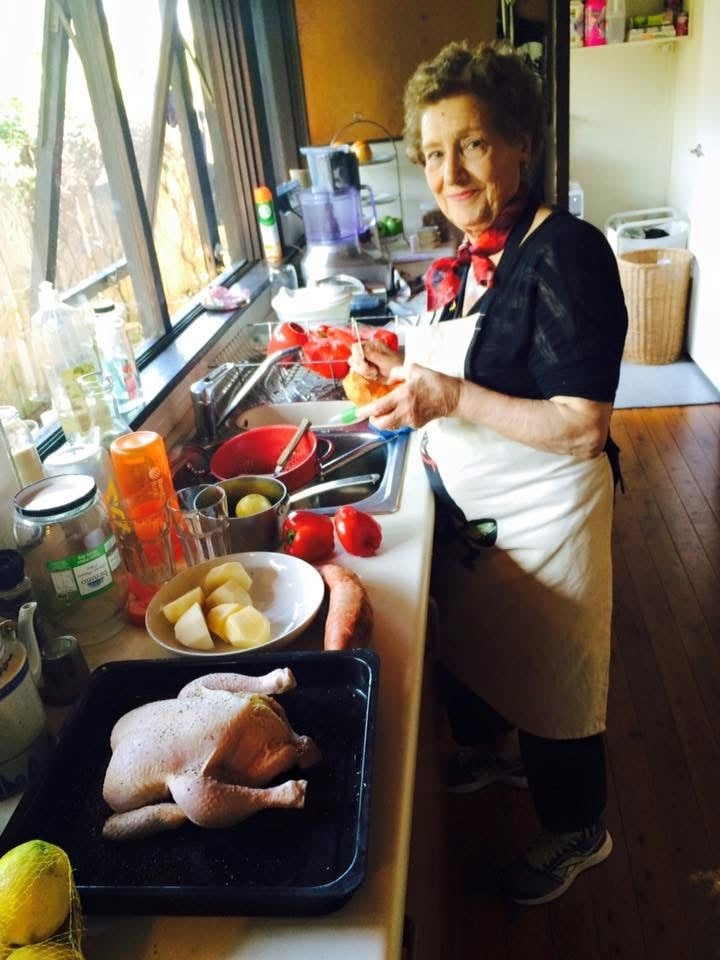
My mother was a teacher in the most literal sense. Not in a classroom. In our living room. She taught my brother and I how to learn, how to study and how to look after ourselves while doing it.
My father worked long days and she was fully devoted to raising us in the best possible way. Later, when I was 14, through the mother of a school friend I helped her get a part-time job in the afternoons.
She did it for 15 years and enjoyed it immensely, partly because she loved learning and contributing beyond the home.
But even before she worked outside, she was never “just” a housewife. She was always reading, always studying, always experimenting with small changes that made life easier, healthier and more sustainable.
You are what you eat.
She used to read a small book written in the 1950s by a German doctor called Dr. Hauser. That little book gave her a cascade of epiphanies about food.
Eating as a way to support energy, mood and mental clarity, not just tradition and habit. It was the era when ideas like organic food and macrobiotics were just starting to circulate and she went looking for information like her life depended on it.
And in many ways, ours did.
We lived in Argentina where beef sits at the centre of the table and identity. Becoming vegetarian wasn’t fashionable. It was inconvenient and socially awkward.
But my mother noticed something most people ignore: every time we ate meat at lunchtime, our ability to study afterwards dropped. We felt heavier. Our attention narrowed. Our brains were technically awake, but not sharp.
She didn’t moralise it. She observed it.
So she suggested an experiment: “What if we ate vegetarian most of the time and used the difference in how we felt as the evidence?”
Then she did the hard part, which is the part most people skip. She made it practical. She worked to create a variety of meals my father, my brother and I could actually enjoy.
For six years, we were vegetarians and during exam periods, when studying eight hours a day for weeks was normal, we felt lighter, clearer and more vital.
Later, when I got married and left home, I slipped back into weekend barbecues and traditions. But I never forgot the feeling of having a clean mind and a light body at the same time.
Sleep was a non-negotiable.
She made sure we were in bed by 9pm.
There weren’t many distractions then, just one television that we watched together until a set time.
At the time, it felt strict.
Now, as a scientist, I see it differently.
She was protecting the brain’s recovery window. Sleep is where the nervous system recalibrates, where emotional regulation is restored and where memory and learning are consolidated. She didn’t need the science language to know it mattered. She could see the impact.
Movement was part of the culture she built.
Athletics, martial arts, running. Three times a week as a baseline. It wasn’t framed as self-improvement. It was simply part of being human in a demanding environment.
Looking back, I can see the compounding effect. Even though I have not been perfectly consistent in adulthood, my musculoskeletal foundation is strong. The body remembers early investment.
Learning was woven into everyday life.
Reading, painting, drawing, learning another language. She would find the best teacher she could within the budget she had and then she would walk us blocks and blocks to get to lessons.We didn’t spend much on superfluous things, but she spent on development.
She cooked at home almost always.
Very few lollies and chocolates, very few meals out.
We sat at the table and talked about our day. That wasn’t just nutrition. It was connection. It was emotional hygiene and regulation disguised as family routine.
And honestly, that may have been her greatest biohack: the way her own nervous system created safety.
I still remember one moment in my final year of high school when I felt like quitting. The demands were intense and one day I came home at lunch crying because I was convinced I couldn’t go on.
My mother listened, really listened. Then she said something that was both tender and strong. She acknowledged how hard it felt, then reminded me it was the last stretch and that I could do it.
She told me that if I quit then, I would always wonder if I had reached what I was capable of.
That wasn’t a motivational speech. That was containment. That was co-regulation. Her calm helped my brain settle enough to find its strength again.
When we feel safe, our brains stop operating in survival mode. Our attention widens. Nuance returns. Creativity returns. Wise decisions become possible again.
Some of you might be thinking, “So your mother must have been highly educated.” Or she must have had a career. Or she must have been raised in a stable environment.
None of that.
She had a challenging childhood, grew up with limited financial resources, and did not even complete primary school.
Yet the wisdom was inside her and she built it deliberately.
How? Reading, observing, noticing and practising. Over and over until health became normal, not heroic.
She lived to 96 with an impressive brain.
In the final months before her death there was a slight wavering, yet for most of her life her memory remained sharp and reliable. She and my father shared a strong marriage that lasted 62 years.
The legacy she left in me is something I’ve tried to pass on to my children: continuous learning, practical wellbeing, emotional steadiness and the quiet discipline of caring for yourself before the world forces you to.
So here’s what I want to leave you with, coming from a woman who looked 70 in her 90s.
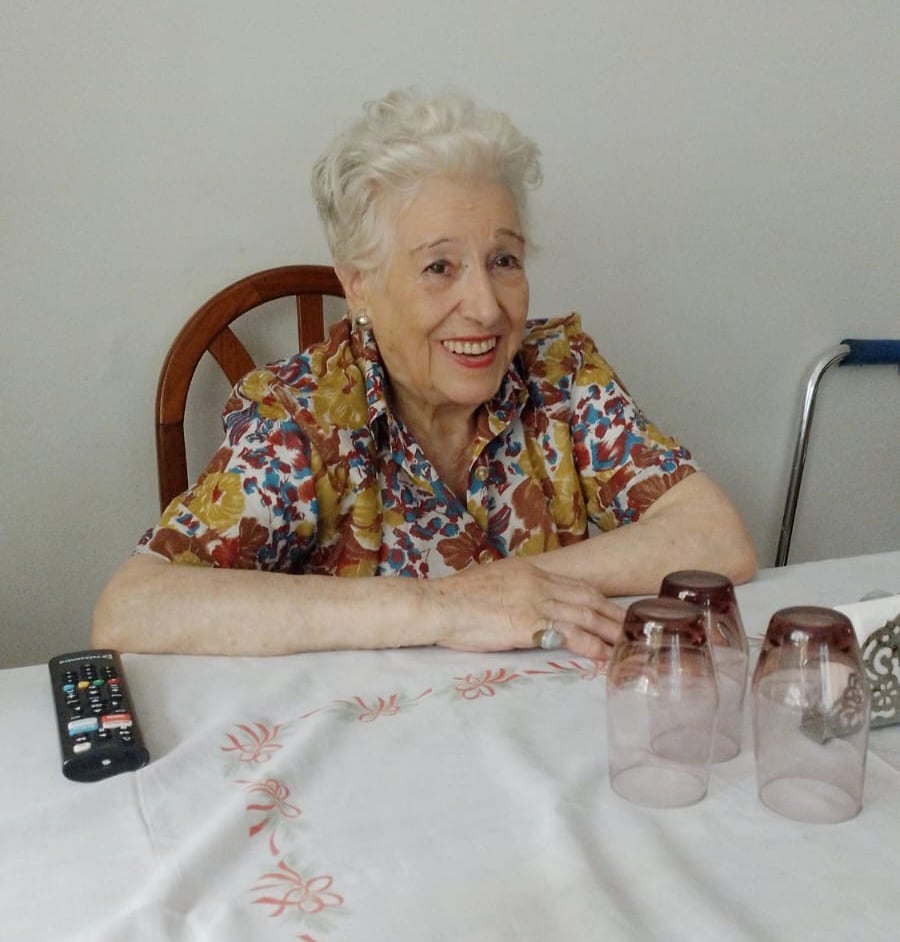
Good living is possible without spending a fortune.
You don’t need every new tool.
You need a few reliable behaviours practiced consistently:
-
Whole food that supports your brain
-
Sleep that protects your nervous system
-
Movement that keeps you resilient
-
Learning that keeps you alive
-
Relationships that make you feel safe to be your full self
Biohacking can be helpful.
But the fundamentals still win.
My mother didn’t track her sleep.
She tracked what mattered.
And that is still the highest tech I’ve ever seen.
She Does This: How Depression Made Me A Better Leader

Today Extra: Give Sleep the Respect it Deserves!

No Comments Yet
Let us know what you think